Japan's deep reverence for the natural world — a philosophy known as mono no aware, the beauty of impermanence — finds its fullest expression in the country's parks and gardens. Each season brings a completely distinct character: delicate pink and white blooms in spring, the lush green canopy of summer, fiery reds and golds in autumn, and the serene stillness of a winter garden. Planning your visit around the seasons is not merely a matter of timing — it is the very essence of experiencing Japan.
A Nation Attuned to the Seasons
The Japanese calendar has long been organised around natural cycles. Ancient court poetry, the haiku tradition, and centuries of landscape art all take seasonal change as a central subject. Today, millions of visitors and locals alike follow seasonal forecasts with genuine excitement — tracking when the first cherry blossoms will open in their city, or when the maple leaves in Kyoto will reach their most vivid peak.
For park visitors, this means that the same garden can offer entirely different experiences across the year. Shinjuku Gyoen, for instance, is famous for its cherry blossoms in spring, its broad lawns in summer, its ginkgo gold in November, and its pristine greenhouse warmth in December.
How to Use This Guide
This seasonal guide is organised by the four traditional seasons, each broken down by the key natural events you can witness in Japan's public parks. For each season you will find peak bloom times by region, recommended parks, practical packing tips, and advice on the best times of day to visit.
Japan is a geographically diverse country stretching from subtropical Okinawa in the south to snowy Hokkaido in the north, so bloom and foliage times can vary by several weeks between regions. Always check regional forecasts before travel, as natural events do not follow a strict schedule.
Spring — Haru
March – May
Spring is the most celebrated season in Japan's parks. The atmosphere is charged with anticipation as visitors arrive carrying picnic blankets and cameras, ready to mark the annual cycle of renewal. Spring unfolds in stages, beginning with the subtle fragrance of plum blossoms and building to the spectacular spectacle of the cherry blossom front sweeping northward across the archipelago.
Early Spring — Plum Blossoms
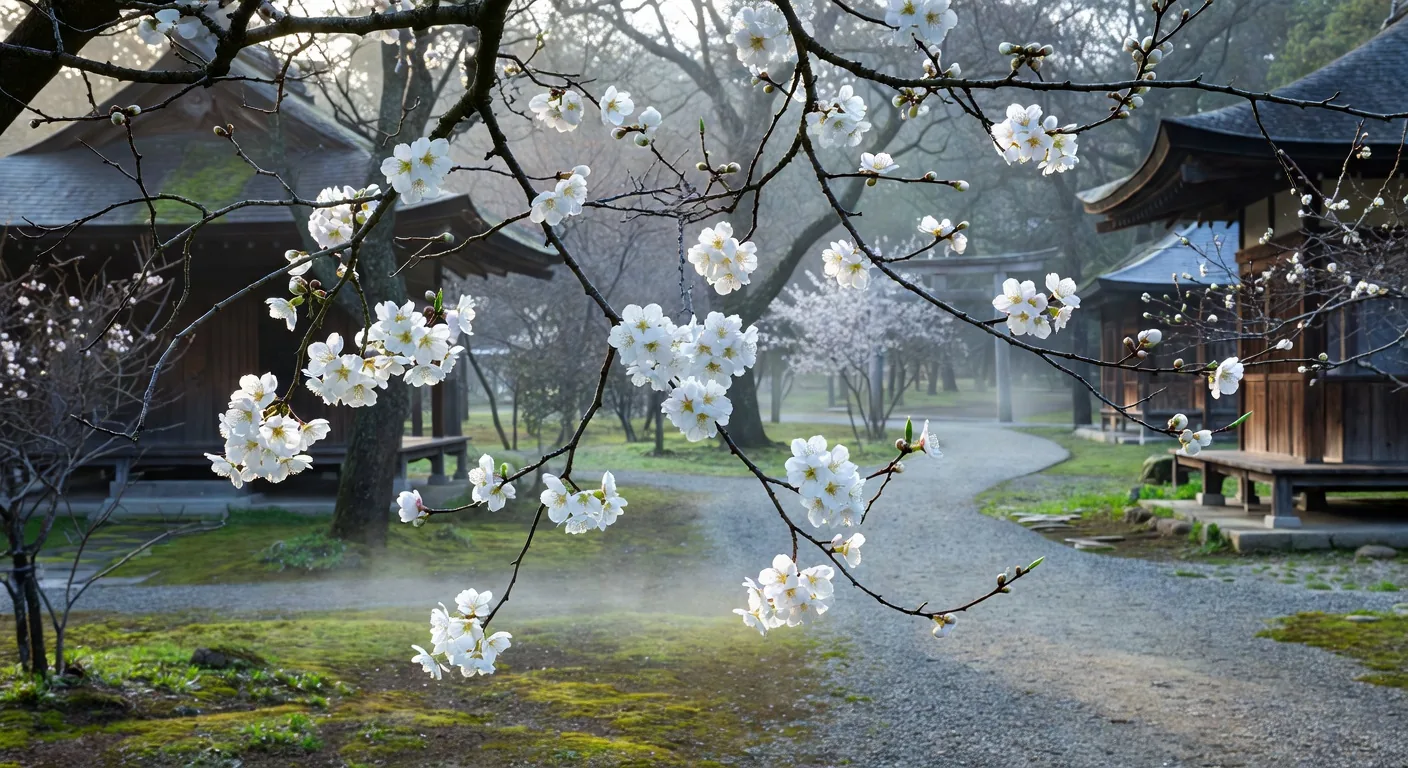
Before the famous cherry blossoms arrive, Japan's parks come alive with the more understated beauty of the plum (ume) blossom. Appearing from late January in the south and February across the main island, plum blossoms offer a refreshing sweetness — both visual and fragrant — that signals winter's retreat. The blossoms range from pure white to deep crimson and are prized for blooming in the cold, symbolising resilience and perseverance.
Korakuen in Okayama, Kairaku-en in Mito, and Yushima Tenjin Shrine in Tokyo are among Japan's finest venues for early plum blossom viewing.
Late Spring — Wisteria
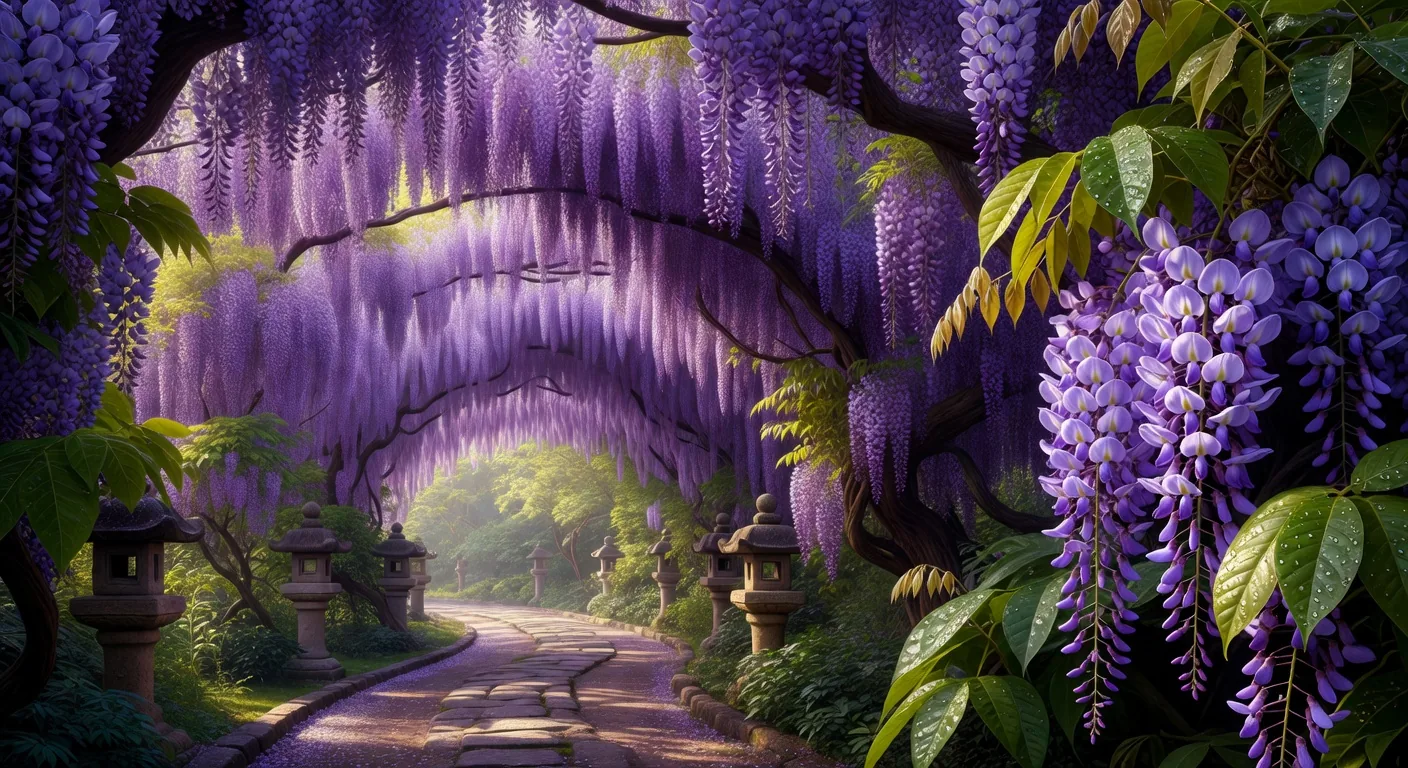
One of spring's most dramatic spectacles, wisteria (fuji) transforms park pergolas and specially constructed tunnels into cascading curtains of purple, lavender, white, and pink. The flowering period is relatively brief — typically two to three weeks in late April and early May — making it a sought-after experience for both photographers and casual strollers.
Ashikaga Flower Park in Tochigi Prefecture is world-renowned for its 150-year-old wisteria trees, while Kawachi Fuji Garden in Kitakyushu offers a dramatic wisteria tunnel stretching over 110 metres. Tokyo's Kameido Tenjin Shrine provides a classic urban wisteria experience reflected in its ornamental pond.
Key Spring Flowers
- Ume (plum blossoms) — late January to March
- Sakura (cherry blossoms) — late March to mid-April
- Rapeseed flowers (nanohana) — February to April
- Tulips — March to May
- Fuji (wisteria) — late April to mid-May
- New green leaves (shinryoku) — May
- Peonies (shakuyaku) — May to June
Summer — Natsu
June – August
Summer in Japan's parks is a season of intense life — the parks are lush and dense with greenery, the air hums with cicadas, and the evenings are marked by the soft light of fireflies in riverside gardens. Despite the heat and humidity, the parks offer shade, water features, and a profusion of bold summer flowers.
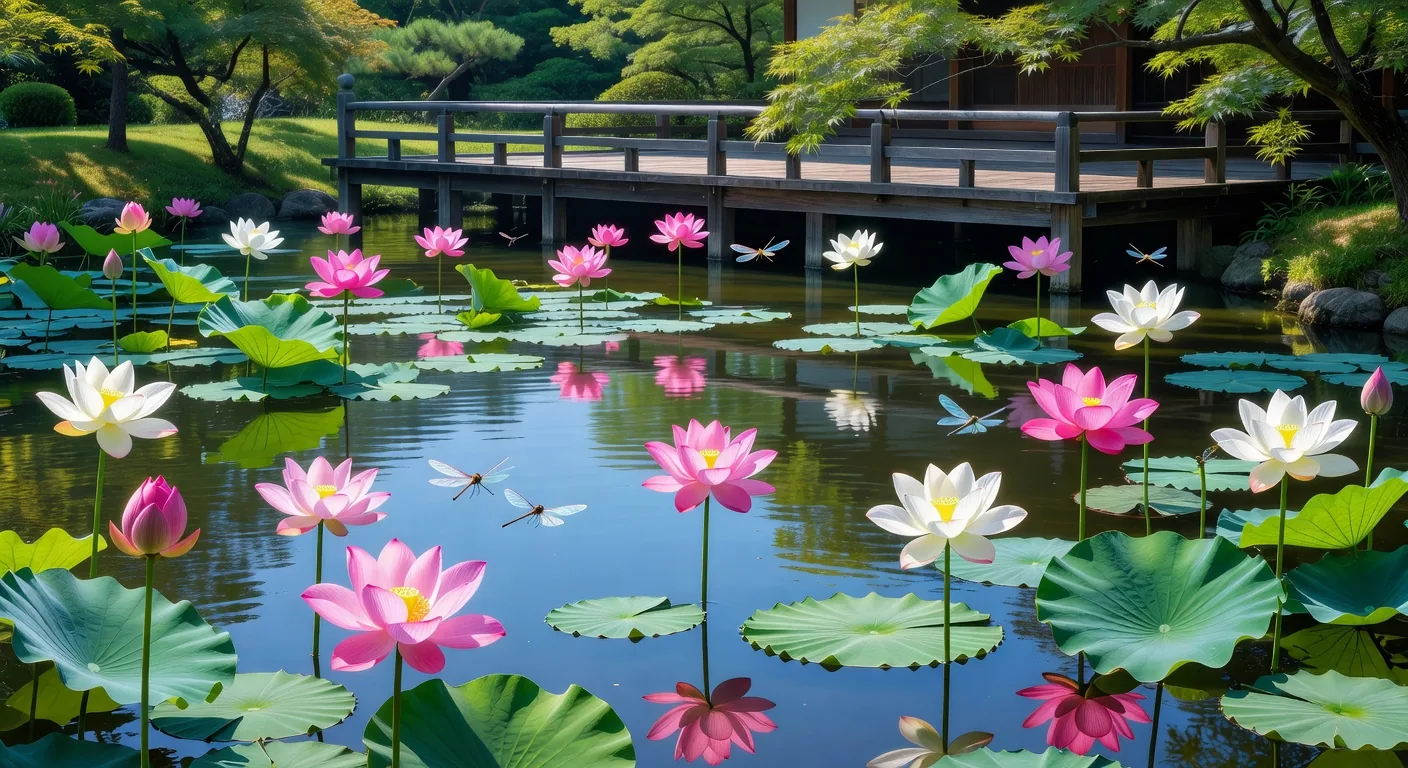
Lotus & Water Lilies
Blooming June through August, lotus flowers open at dawn and close by noon. Shinobazu Pond in Ueno Park is Tokyo's most famous lotus viewing spot. Visit before 8am for peak beauty.
Hydrangea (Ajisai)
Japan's rainy season (tsuyu, June–July) coincides with the peak of hydrangea blooms. Meigetsuin Temple in Kamakura, known as the "hydrangea temple," draws large crowds for its blue and purple displays.
Fireworks Festivals
Summer evenings are marked by spectacular hanabi (fireworks) festivals. The Sumida River Fireworks in late July is among the oldest, attracting over a million spectators to the riverside parks of Tokyo.
Morning Glory (Asagao)
A beloved summer sight at temple gardens and park fences, morning glory blooms open with the sunrise and fade by midday — an emblem of impermanence in Japanese culture.
Sunflowers
Vast sunflower fields can be found at several regional parks in late July and August, including Hokuryu Town's sunflower village in Hokkaido, with over 1.5 million flowers in bloom.
Autumn — Aki
September – November
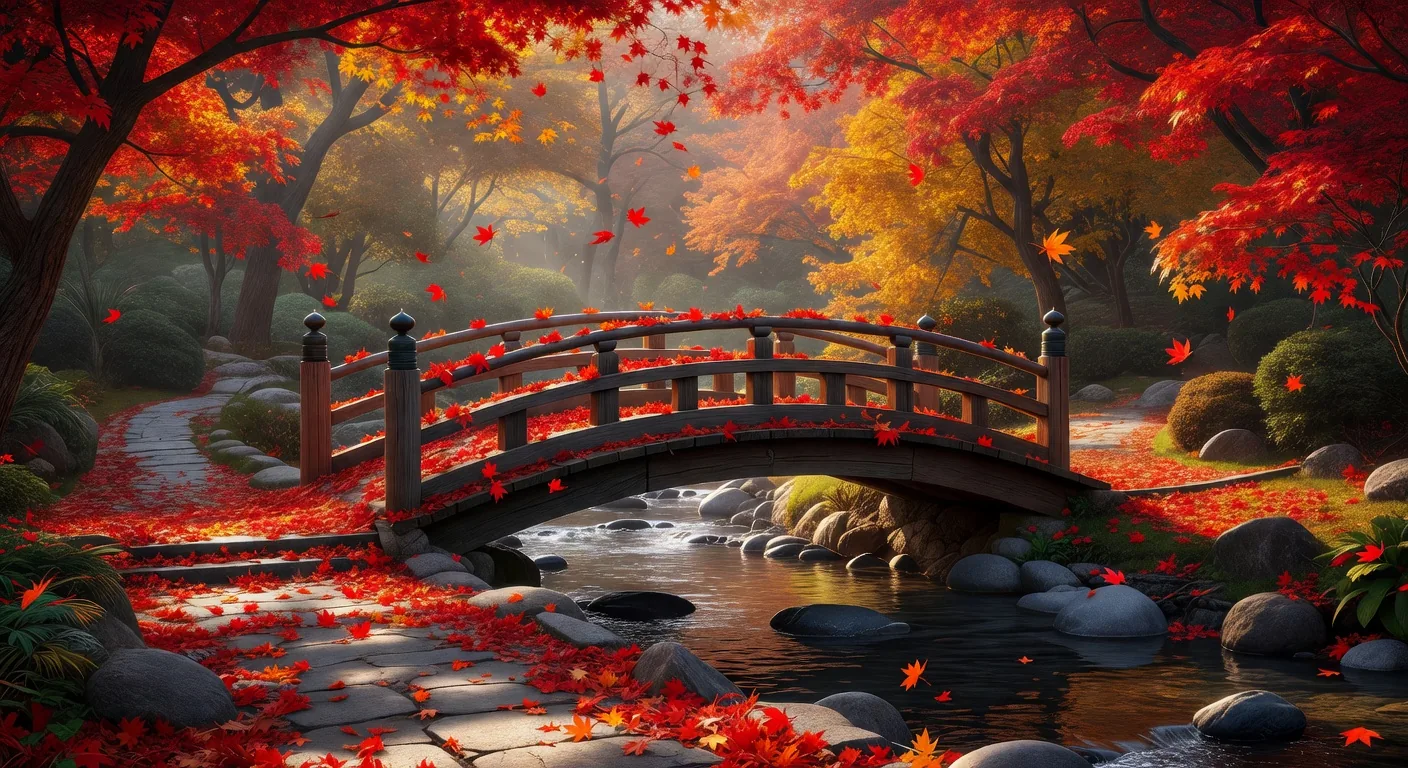
Autumn brings a palette of fire to Japan's parks and mountain landscapes. Known as koyo (紅葉), the autumn foliage season is celebrated with the same enthusiasm as the spring cherry blossoms. Cool temperatures trigger the enzymatic breakdown of chlorophyll, revealing the brilliant reds of Japanese maple (momiji), the pure gold of ginkgo avenues, and the warm amber of zelkova trees.
Momiji — Japanese Maple
The star of koyo season, Japanese maples turn from green to orange, crimson, and scarlet. Arashiyama in Kyoto, Rikugien Garden in Tokyo, and Eikan-do Temple are among the most celebrated venues.
Ginkgo Trees
Tokyo's Icho Namiki at Jingu Gaien is one of the city's most beloved autumn sights — a long avenue of ginkgo trees turning brilliant gold in November, petals carpeting the ground below.
Chrysanthemums
The chrysanthemum (kiku) is the imperial flower of Japan. Autumn chrysanthemum festivals take place at Shinjuku Gyoen, Hibiya Park, and Kasama Inari Shrine in November.
Harvest Festivals
October and November see harvest matsuri (festivals) at parks and shrines across Japan. Many feature traditional food stalls, taiko drumming, and lantern lighting ceremonies.
Winter — Fuyu
December – February
Winter strips Japan's gardens back to their architectural bones — stone lanterns, mossy pathways, bare plum branches against grey sky — and reveals a quieter, more meditative beauty. Visitor numbers drop significantly, making this an ideal season for those seeking solitude in famous gardens. Snow transforms parks into monochrome compositions of extraordinary elegance.
Snow Gardens (Yukigeshiki)
After snowfall, traditional gardens such as Kenroku-en in Kanazawa display yukitsuri — rope frameworks protecting pine branches from snow weight — creating one of winter's most striking scenes.
Early Plum Blossoms
Late January and February see the first plum blossoms in Tokyo and the Kanto region — a hopeful sign of approaching spring. Kairaku-en in Mito hosts Japan's largest plum garden with over 3,000 trees.
Camellia (Tsubaki)
Camellia blooms from November through March, offering rich red, pink, and white flowers throughout winter. Gotokuji Temple in Tokyo is famed for its camellia garden, while Omachi Park in Matsuyama has over 10,000 plants.
Ice & Light Festivals
The Sapporo Snow Festival in early February transforms Odori Park into a world of monumental ice sculptures. Many parks also host illumination events — millions of LED lights turning gardens into winter wonderlands.
Seasonal Calendar — Peak Bloom by Region
The following table shows approximate peak periods for key seasonal flowers and foliage by region. Actual dates vary year to year depending on temperature patterns.
| Event | Kyushu & Okinawa | Kansai (Kyoto/Osaka) | Kanto (Tokyo) | Tohoku | Hokkaido |
|---|---|---|---|---|---|
| Plum Blossoms | Late Jan – Feb | Mid Feb – Mar | Late Feb – Mar | Mar – Apr | Apr – May |
| Cherry Blossoms | Late Mar | Late Mar – Early Apr | Late Mar – Early Apr | Mid – Late Apr | Late Apr – May |
| Wisteria | Early Apr | Mid – Late Apr | Late Apr – Early May | Early May | Mid May |
| Lotus Flowers | Jun – Jul | Jul – Aug | Jul – Aug | Jul – Aug | Jul – Aug |
| Autumn Maple (Momiji) | Nov – Dec | Mid – Late Nov | Mid – Late Nov | Late Oct – Nov | Early – Mid Oct |
| Ginkgo Gold | Nov – Dec | Mid – Late Nov | Mid Nov – Early Dec | Late Oct – Nov | Early – Mid Oct |
Peak Early / Late Variable
Recommended Parks by Season
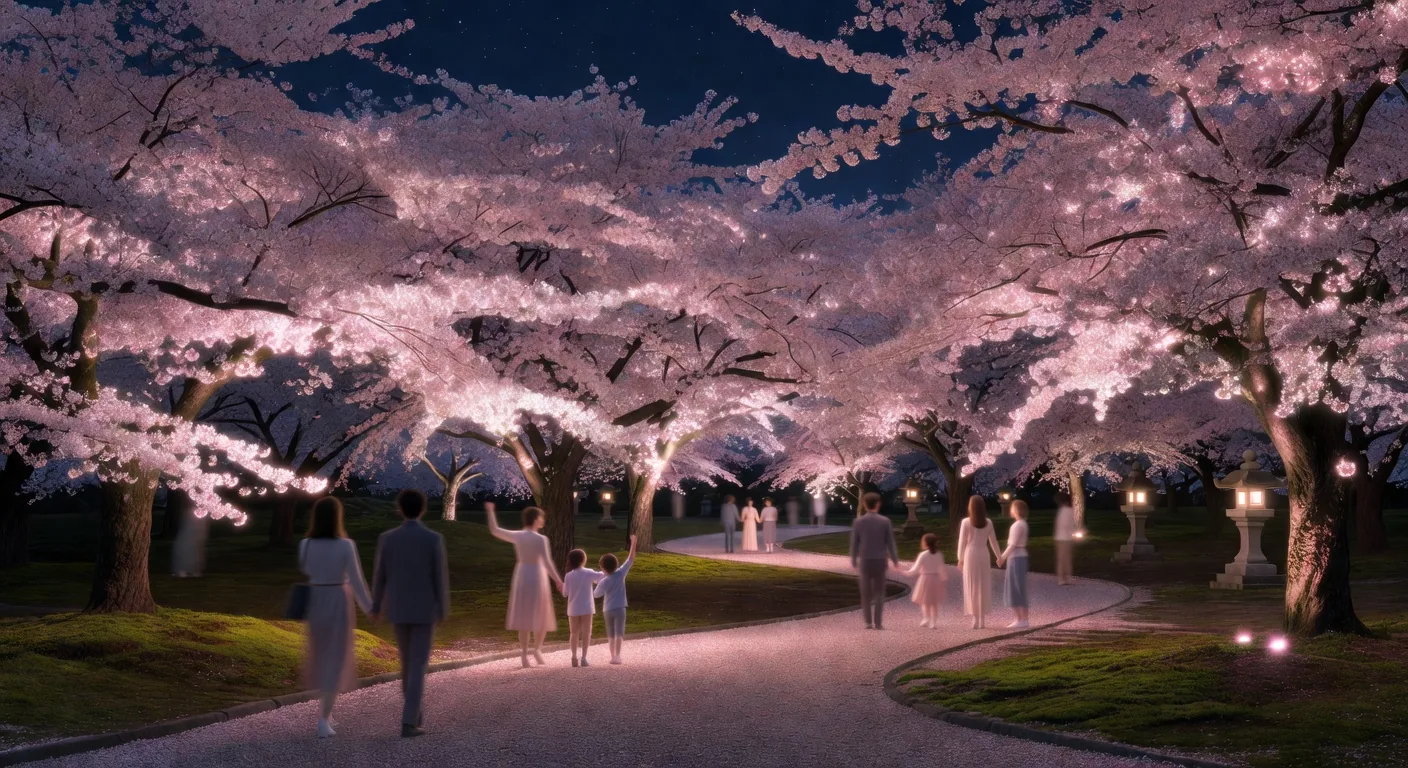
Maruyama Park, Kyoto
Spring — Home to Kyoto's most famous weeping cherry tree. Spectacular illuminations at night.
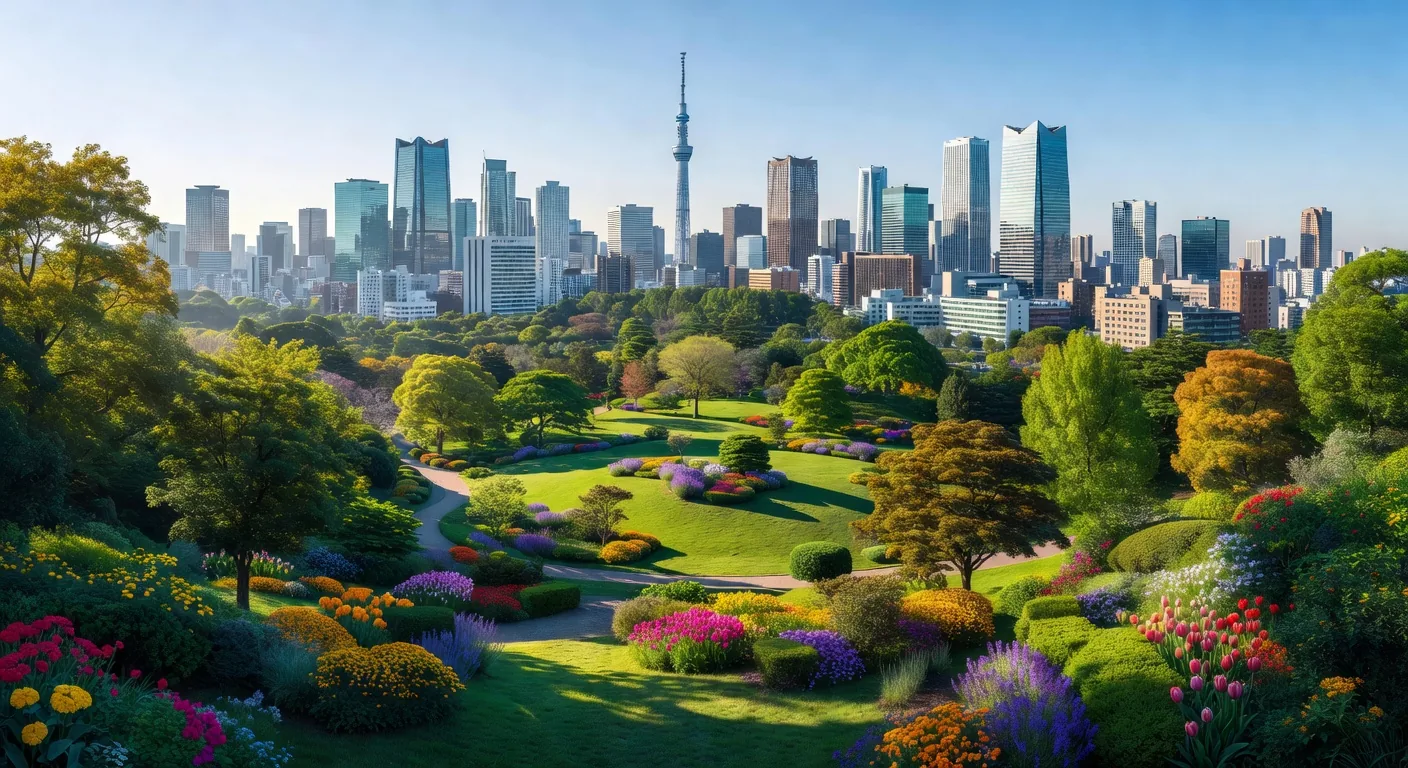
Shinjuku Gyoen, Tokyo
All seasons — Formal French, English landscape, and traditional Japanese gardens in one park.
Ueno Park, Tokyo
Spring & Summer — Cherry blossoms and Shinobazu Pond's famous lotus flowers.
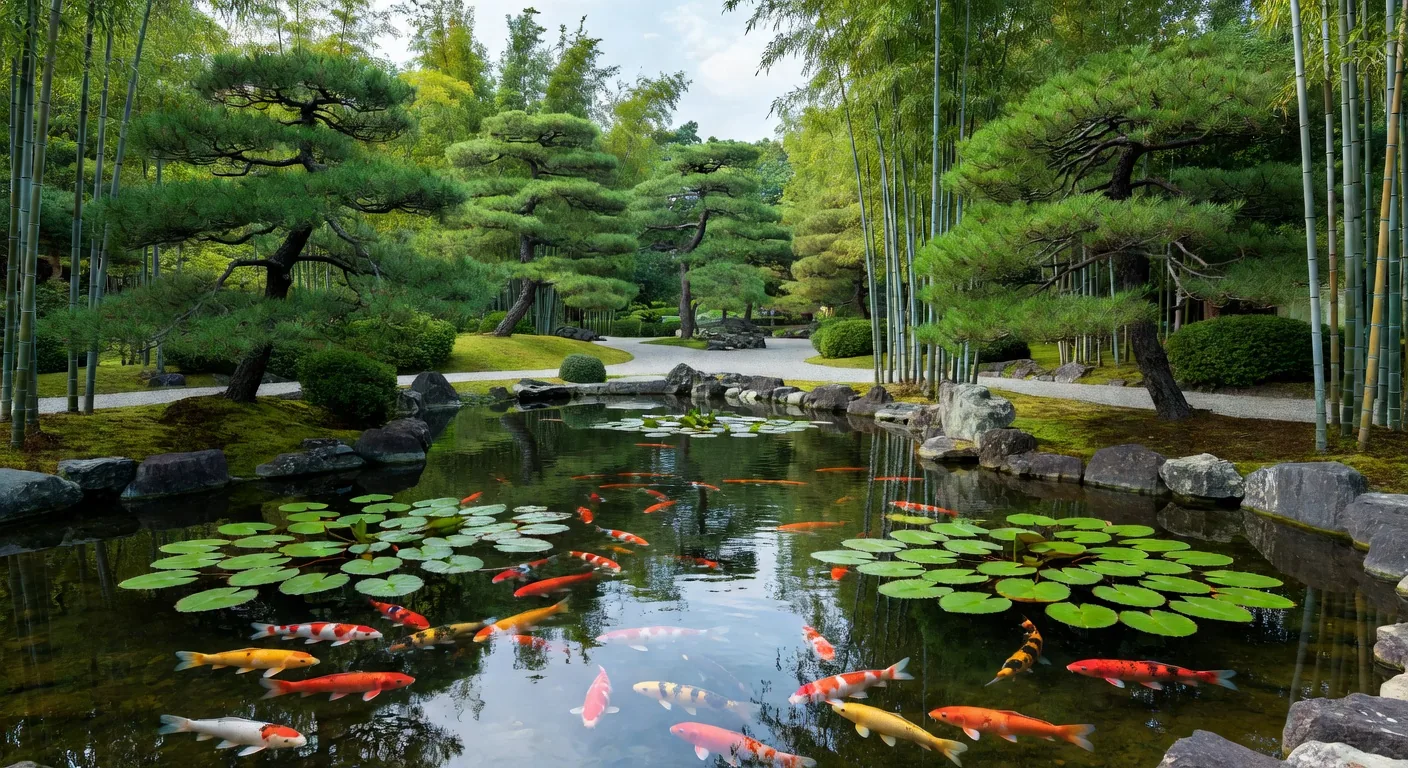
Arashiyama, Kyoto
Autumn — Vivid maple foliage framing the Togetsukyo Bridge and Oi River valley.
Kenroku-en, Kanazawa
Winter — Snow-covered yukitsuri pine trees; one of Japan's three great gardens.
Hokuryu Sunflower Village, Hokkaido
Summer — Over 1.5 million sunflowers covering rolling Hokkaido hillsides in July.
Packing Tips by Season
🌸 Spring
- Light layers — mornings can be cool
- A small picnic mat for hanami
- Allergy medication if sensitive to pollen
- Compact umbrella (spring showers)
- Camera with a portrait lens
- Comfortable walking shoes
☀️ Summer
- SPF 50+ sunscreen
- Cooling towels and a folding fan
- Lightweight, breathable clothing
- Insect repellent for evening visits
- Reusable water bottle
- Rain jacket (typhoon season)
🍂 Autumn
- Medium layers — temperature swings
- Sturdy shoes for leaf-covered paths
- A wide-angle lens for foliage
- Cash for matsuri food stalls
- Thermos for warm tea
- Book accommodation well in advance
❄️ Winter
- Thermal base layers
- Waterproof boots
- Warm hat and gloves
- Hand warmers (kairo)
- Tripod for illumination photography
- Hot amazake available at park stalls
Golden Hours — Best Times of Day to Visit
The quality of light transforms a park visit completely. Professional photographers and seasoned nature viewers in Japan plan their park visits around the sun's position, not just the season. Here is our guide to the best times of day for park visits across the four seasons.
Spring Golden Hours
Early morning (6–8am) offers soft, diffused light for cherry blossoms before crowds arrive. Late afternoon (4–6pm) creates a pink-golden glow through translucent petals. After dark, illuminated hanami (yozakura) venues provide a completely different experience.
Summer Golden Hours
Dawn is essential for lotus flowers, which open between 6–8am and close by noon. Late afternoon (5–7pm) is ideal for general park visits as the worst heat subsides. Firefly (hotaru) viewing typically occurs after 7pm in riverside gardens throughout June and July.
Autumn Golden Hours
The low autumn sun creates spectacular backlighting through maple leaves in the two hours after sunrise. Midday overcast light is actually ideal for even colour saturation. Autumn illumination events (momiji-gari yoru) at major gardens typically run 5–9pm.
Winter Golden Hours
Snow is best photographed in the pale, diffused light of mid-morning (9–11am) after overnight snowfall. Winter illumination events begin at sunset — typically around 4:30–5pm. Midday is ideal for plum blossom visits, when flowers fully open in the warmth.